
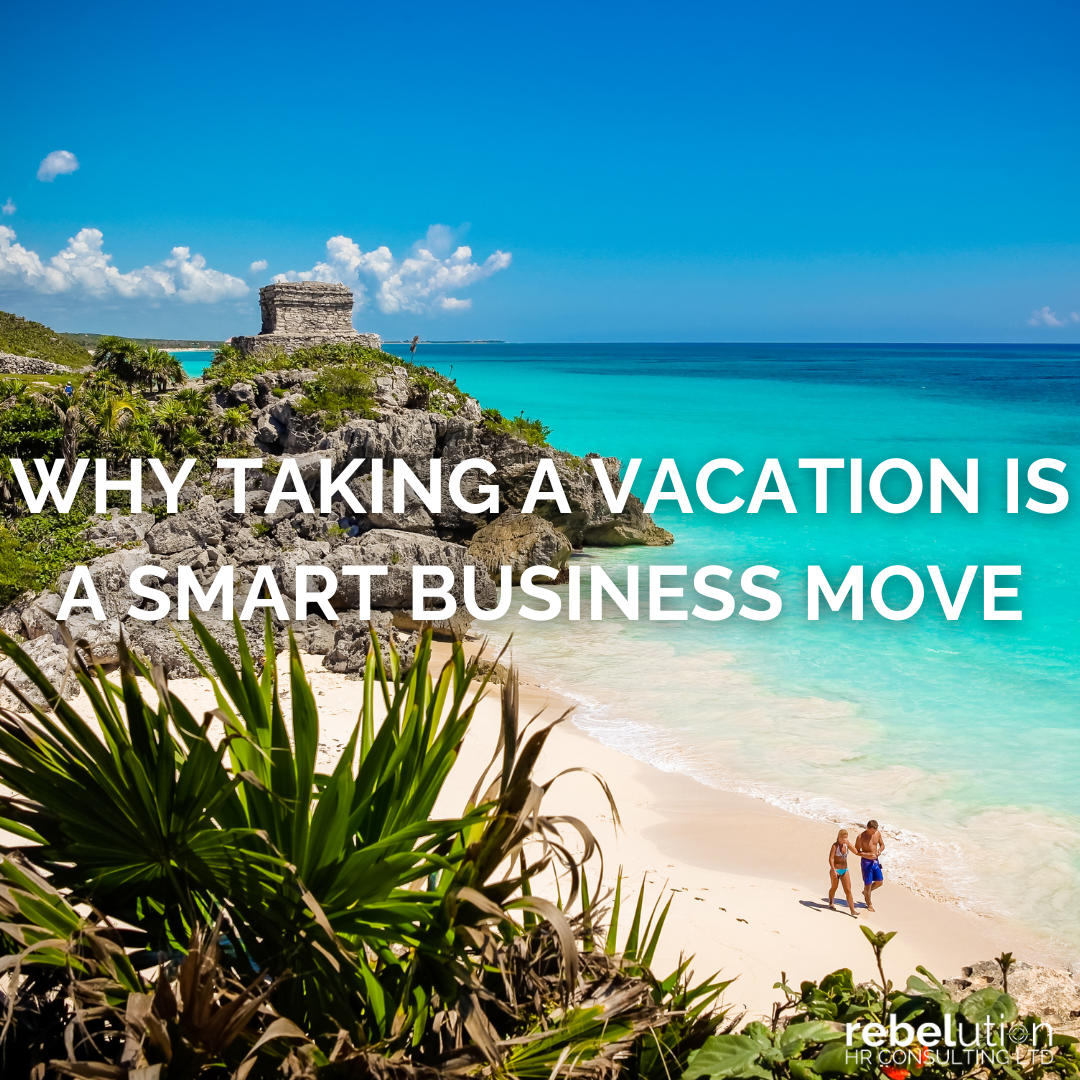
Just got back from a week in Mexico. Yep, I took a real break. Well, mostly. I did bring my laptop along—because what’s a vacation without at least three quick hour-long meetings, right? But hey, I still felt refreshed. There’s something about stepping away from the grind that lets you reset and see things from a new perspective. After that week of downtime, I came back with a fresh head, ready to hit the ground running. It gave me the chance to think more clearly, especially with all the noise about trade tensions and the back-and-forth between Canada and our global trading partners.
I want to be straight with you: as a business owner, you can’t afford to not take breaks. It’s easy to think you’re too busy to step away, but here’s the truth from an HR perspective—if you’re not at your best, neither is your business. Your decisions start to suffer, and so does your team.
Why HR Thinks Time Off Isn’t Optional
Let’s cut to the chase. HR isn’t just about policies or benefits; it’s about the people—and taking time off is a critical part of that. The research backs it up: taking a break isn’t just a luxury, it’s a must. When you step away from work, even for just a short time, you come back sharper, more focused, and more productive. And if you’re a business owner, that means your decisions will be smarter. Period.
When employees take time off, they come back recharged and more engaged. A Gallup study (2023) found that businesses that encourage time off see better engagement and higher productivity. So, you’re not just doing yourself a favor—you’re doing your team a favor too. If your team sees you burning the candle at both ends, they’ll follow your lead. But if you show them it’s okay to take a break, they’ll respect you for it and do the same.
Total Rewards: Why Your Team Needs More Than Just a Paycheck
When we talk about Total Rewards, it’s not just about salary or bonuses. It’s about the overall package that keeps your team motivated and engaged. And that includes personal time. If your team sees that you value their well-being enough to take time off, they’re going to feel like they can do the same. And guess what? That builds loyalty and keeps people around longer.
Small business owners often don’t have the same resources as big corporations, but that doesn’t mean you can’t offer a robust rewards package. Showing that you care about your employees’ time off—and taking it yourself—is a powerful form of Total Rewards. According to SHRM (2024), businesses that offer wellness benefits and encourage time off have lower turnover rates and higher employee satisfaction. This isn’t just about perks—it’s about building a culture where your team feels valued and supported.
Employee Safety: Rest = Better Safety
Here’s a tough reality: fatigue can lead to mistakes. And when those mistakes are about safety, the consequences are serious. When you push through exhaustion, your decision-making suffers. This is especially true in industries where people are working with heavy equipment or on jobsites. If you’re tired, you’re more likely to overlook safety protocols or make a costly error.
That’s why HR is always preaching the importance of breaks and downtime—because when people are rested, they’re more alert, more focused, and less likely to make dangerous mistakes. The National Safety Council (2023) estimates that fatigue-related accidents cost businesses billions every year. If you’re constantly burning the candle at both ends, it’s not just you who’s at risk—it’s your team.
Taking time to recharge isn’t just good for you—it’s good for your whole team’s safety. You’ll come back with a clearer head, and your leadership will set the right example. Plus, it’s easier to enforce safety standards when you’re well-rested and thinking clearly.
Clear Head, Smarter Decisions
It’s no secret that these are tough times. From trade disruptions to inflation, your business is dealing with a lot of uncertainty. But here’s the kicker: if you’re running on empty, your ability to make smart decisions is seriously compromised. I know it’s tempting to dive into problem-solving mode, but that’s a surefire way to miss the big picture.
Taking time off gives you the distance you need to reassess and come back with a clearer, more strategic approach. The best leaders know when to step back and think things through before jumping into action. I can’t tell you how many times I’ve come back from a break and realized the problems I was stressing over before I left weren’t actually problems at all. Taking that time allowed me to see things from a fresh perspective—and that clarity leads to better decisions.
Leading by Example: Setting the Tone for Your Team
Listen, as a business owner, your team looks to you for guidance. If you’re constantly burning yourself out and pushing through, they’ll think they have to do the same. But if you take time for yourself, you’re teaching them it’s okay to rest and prioritize their own well-being. That’s how you create a culture of balance, where people can give their best to the business without running themselves into the ground.
In fact, studies show that when leadership models healthy work habits, employee engagement increases (Gallup, 2023). By prioritizing your own well-being, you’re setting the tone for the entire organization. And when employees feel supported in taking care of themselves, they’re more likely to stay engaged, motivated, and productive.
The Bottom Line: Rest Isn’t a Luxury, It’s a Smart Move
Here’s the straight talk: you can’t afford to ignore the importance of taking time off. Your business will suffer if you don’t prioritize rest. You’re a business owner—your decisions matter, and when you’re well-rested, you make better ones. The same goes for your team. When people are well-rested and focused, they’re safer, more productive, and more engaged.
So, do yourself and your team a favor: take the break. You’ll come back with a clearer head, a fresh perspective, and the energy you need to take on whatever comes next. It’s not a luxury; it’s part of running a smart, sustainable business.
—
Business.com. (2025). How to take a vacation as a small business owner. Retrieved from https://www.business.com/articles/how-to-take-a-vacation-as-a-small-business-owner/
Gallup. (2023). Why time off is critical for employee engagement and productivity. Retrieved from https://www.gallup.com/workplace
National Safety Council. (2023). The cost of fatigue-related accidents in the workplace. Retrieved from https://www.nsc.org/workplace-safety/fatigue
SHRM. (2024). Total rewards: The importance of benefits and well-being programs in small businesses. Retrieved from https://www.shrm.org
 Rebelution HR Consulting LTD.